This is SO helpful. Follow the link below to see Portfolio examples.
http://studioartportfolios.collegeboard.org/?ep_ch=PR&ep_mid=11170044&ep_rid=179022867
Thursday, October 29, 2015

Tuesday, October 27, 2015
Art Two - Non-Objective Painting
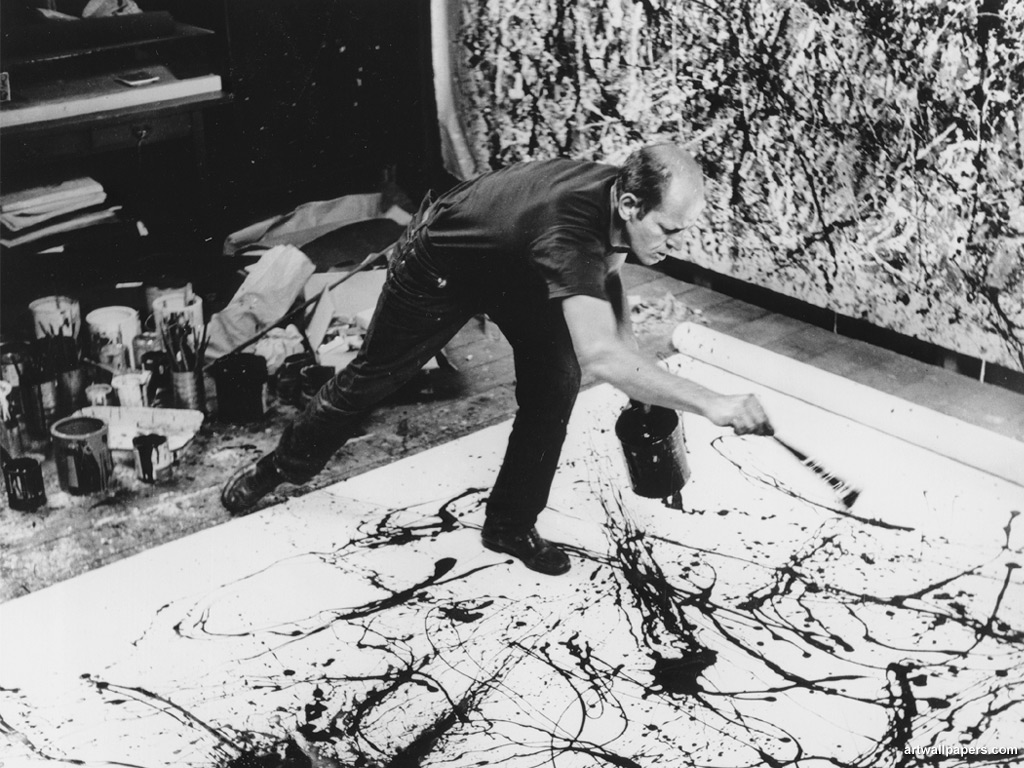
Jackson Pollock
“It’s all a big game of construction, some with a brush, some with a shovel, some choose a pen.” “The method of painting is the natural growth out of a need. I want to express my feelings rather than illustrate them.” “Every good painter paints what he is.”

Wassily Kandinsky


Hans Hoffman
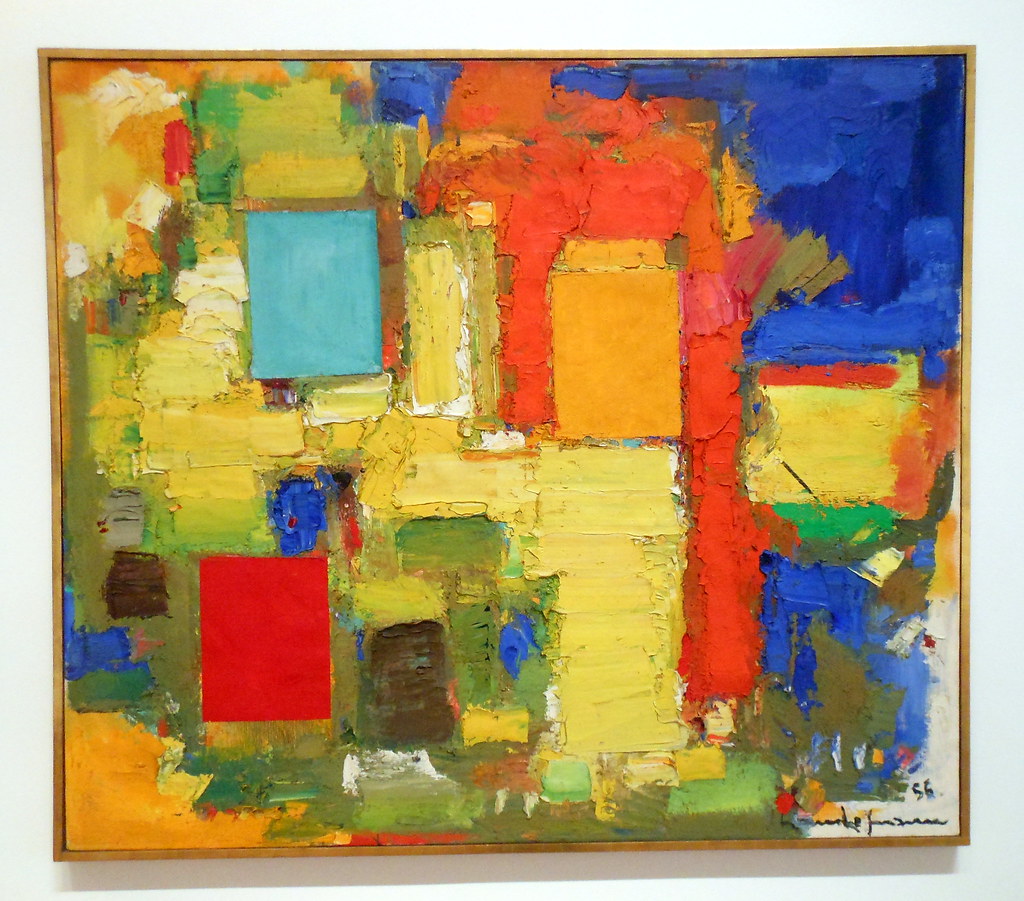
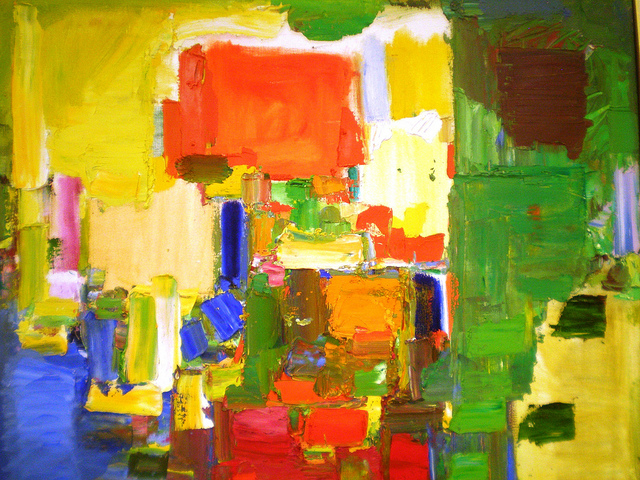
“It’s all a big game of construction, some with a brush, some with a shovel, some choose a pen.” “The method of painting is the natural growth out of a need. I want to express my feelings rather than illustrate them.” “Every good painter paints what he is.”
Wassily Kandinsky
Hans Hoffman


Ceramics - Greek pottery video
Follow the link and watch the following video about Greek pottery.
You must say something that has not already been said and name a fact that you learned from watching.
https://www.youtube.com/watch?v=WhPW50r07L8
You must say something that has not already been said and name a fact that you learned from watching.
https://www.youtube.com/watch?v=WhPW50r07L8
Wednesday, October 21, 2015
Ceramics - Greek Amphora
amphora, ancient vessel form used as a storage jar and one of the principal vessel shapes in Greek pottery, a two-handled pot with a neck narrower than the body. There are two types of amphora: the neck amphora, in which the neck meets the body at a sharp angle; and the one-piece amphora, in which the neck and body form a continuous curve. The first is common from the Geometric period (c.900 bc) to the decline of Greek pottery; the second appeared in the 7th century bc. The height of amphorae varies from large Geometric vases of 5 feet (1.5 metres) to examples of 12 inches (30 centimetres) or even smaller (the smallest are called amphoriskoi). The average normal height is about 18 inches (45 centimetres). Amphorae, which survive in great numbers, were used as storage and transport vessels for olives, cereal, oil, and wine (the wine amphora was a standard Attic measure of about 41 quarts [39 litres]) and, in outsize form, for funerals and as grave markers. Wide-mouthed, painted amphorae were used as decanters and were given as prizes.
Black Figure Neck Amphora
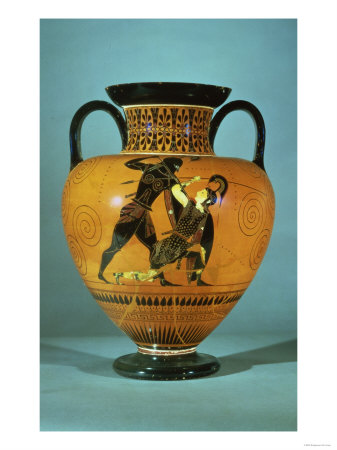
Red Figure Neck Amphora
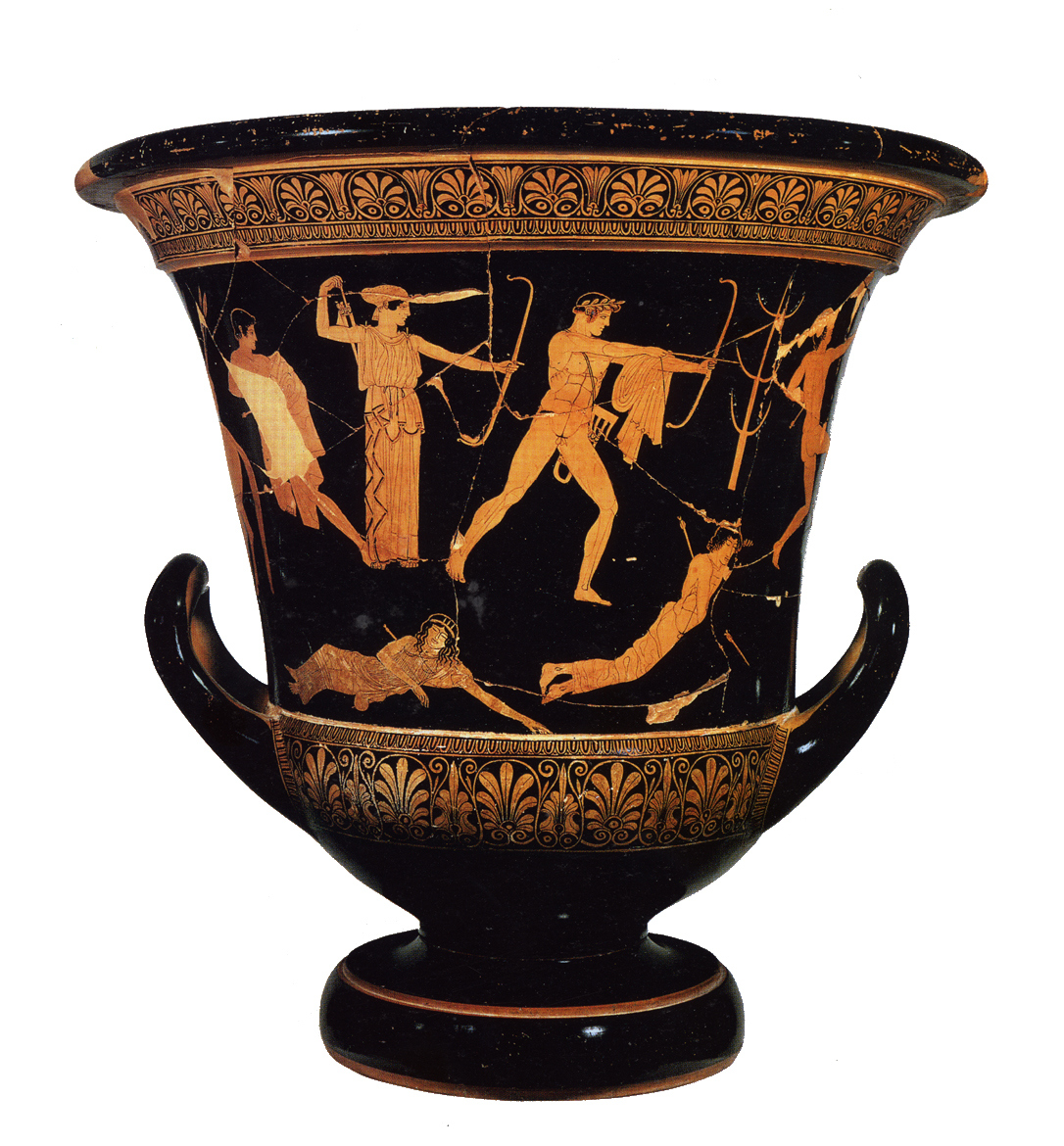
Black Figure Neck Amphora
Red Figure Neck Amphora
Art Two - more landscape painting
Below are examples of landscape paintings made in different styles. Which style and painting is your favorite? Remember your painting is due Monday.
Realistic:


Loose:

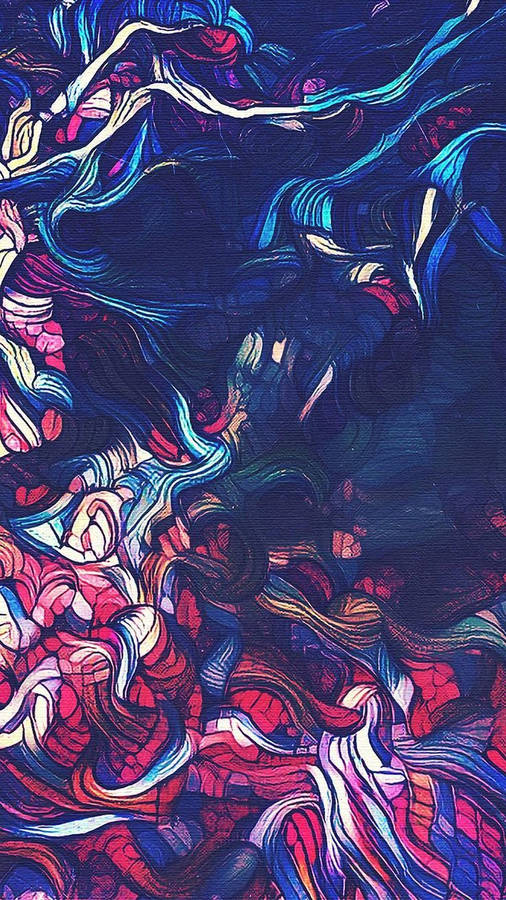
Expressive:

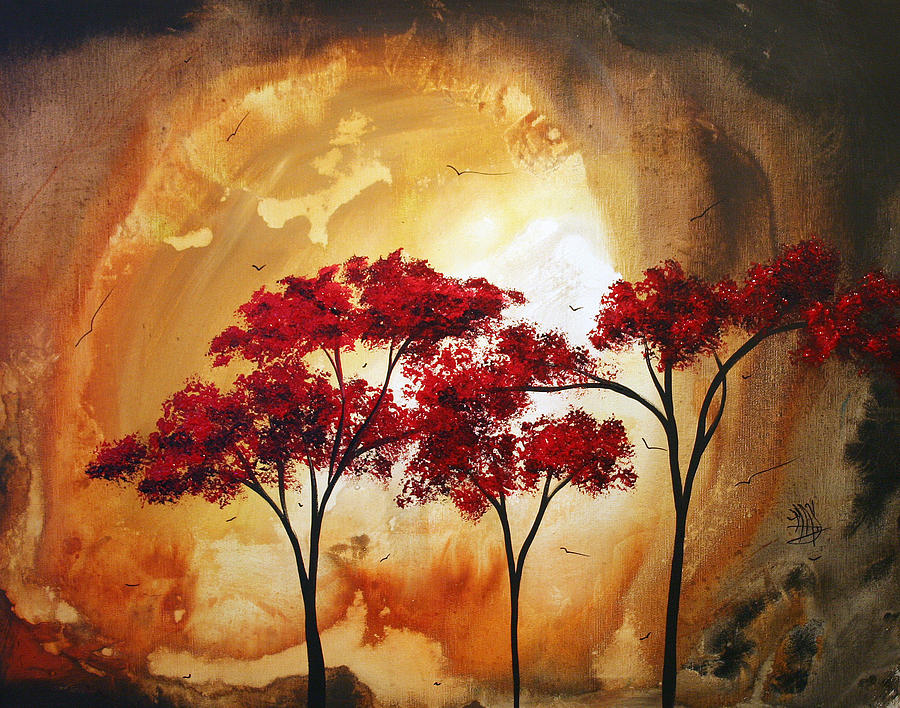
Whimsical:
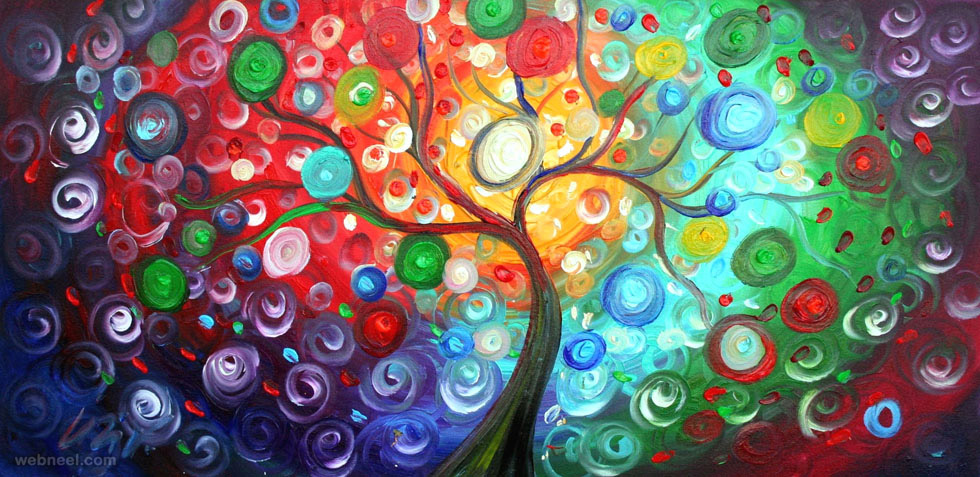
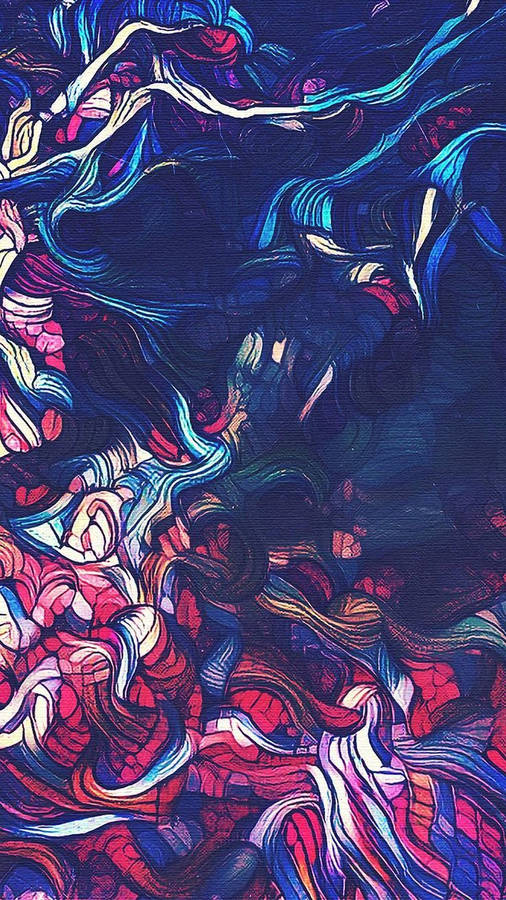
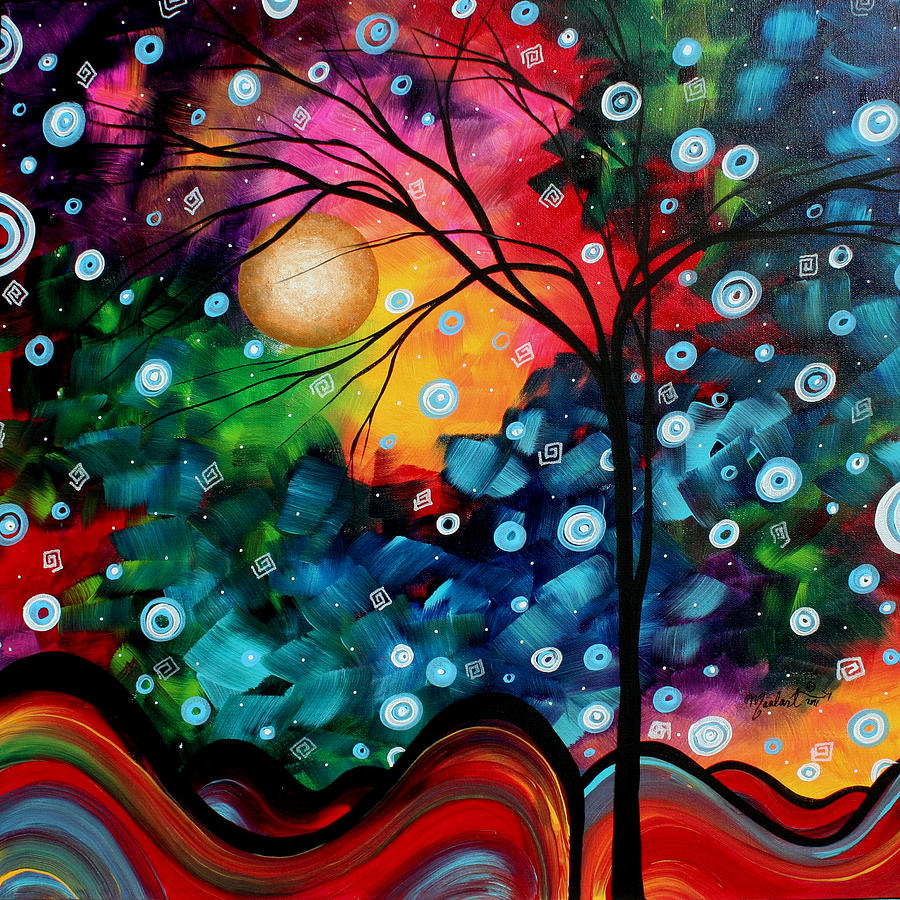
Realistic:
Loose:
Expressive:
Whimsical:
Monday, October 19, 2015
Art One - two point perspective

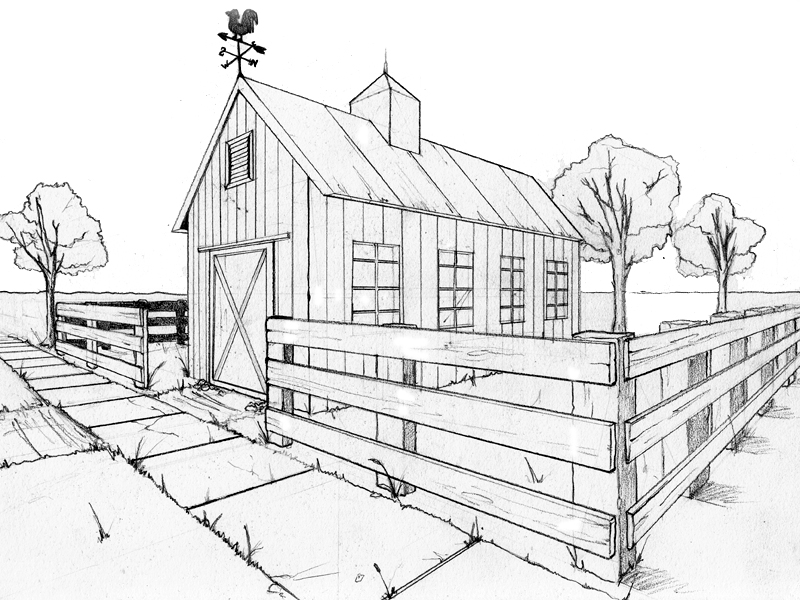
Watch the following video to learn more about two point perspective. This will help you with your drawing in class.
https://www.youtube.com/watch?v=qEEyQJ-c_f4
Friday, October 9, 2015


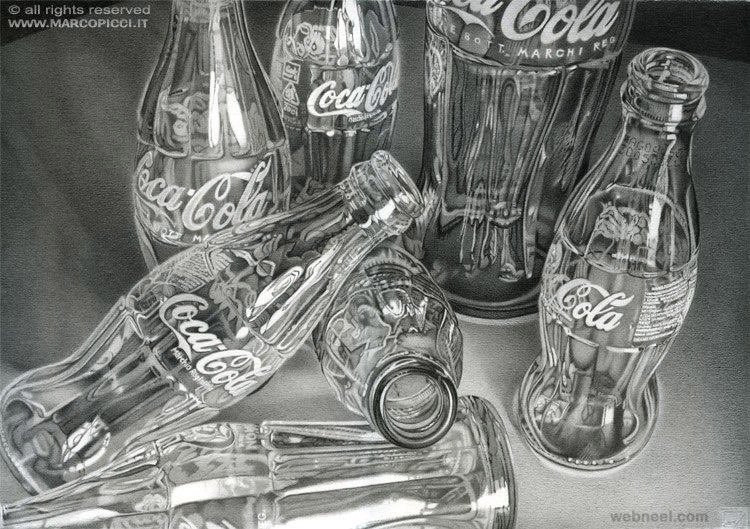


Ceramics - THE Wheel
Have you thrown your wheel thrown piece? What do you think about the process? Wheel thrown pieces must be thrown AND trimmed by Friday - the last day of the quarter. Don't wait until Friday to start!
Art Two - Landscape Painting
Below are several examples of landscape painting.
Which style do you like the best?


Which style do you like the best?
Wednesday, October 7, 2015
Wednesday, September 30, 2015
Art Two - Color and Tree videos
Watch the following videos:
Color mixing
https://www.youtube.com/watch?v=chsVNmTTmGs
Tree painting:
https://www.youtube.com/watch?v=x18Idzb02Bg
Color mixing
https://www.youtube.com/watch?v=chsVNmTTmGs
Tree painting:
https://www.youtube.com/watch?v=x18Idzb02Bg
Ceramics - Wheel Throwing Videos
Watch the following videos again and comment:
You will need to complete a wheel thrown piece for Quarter 1&2.
This information will be VERY helpful when you start throwing on the wheel.
Centering:
https://www.youtube.com/watch?v=rMWQ7eIbp98
Opening:
https://www.youtube.com/watch?v=xupn8MRTF-8
Pulling the walls:
https://www.youtube.com/watch?v=9RoCMYBoIII
Art One - More Prints
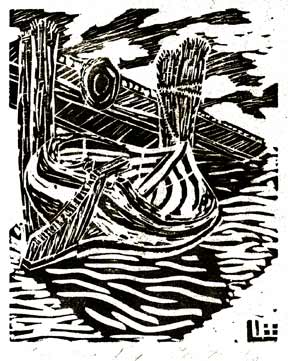
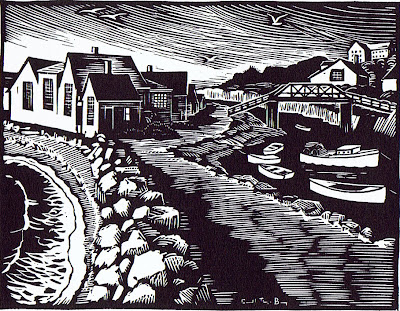
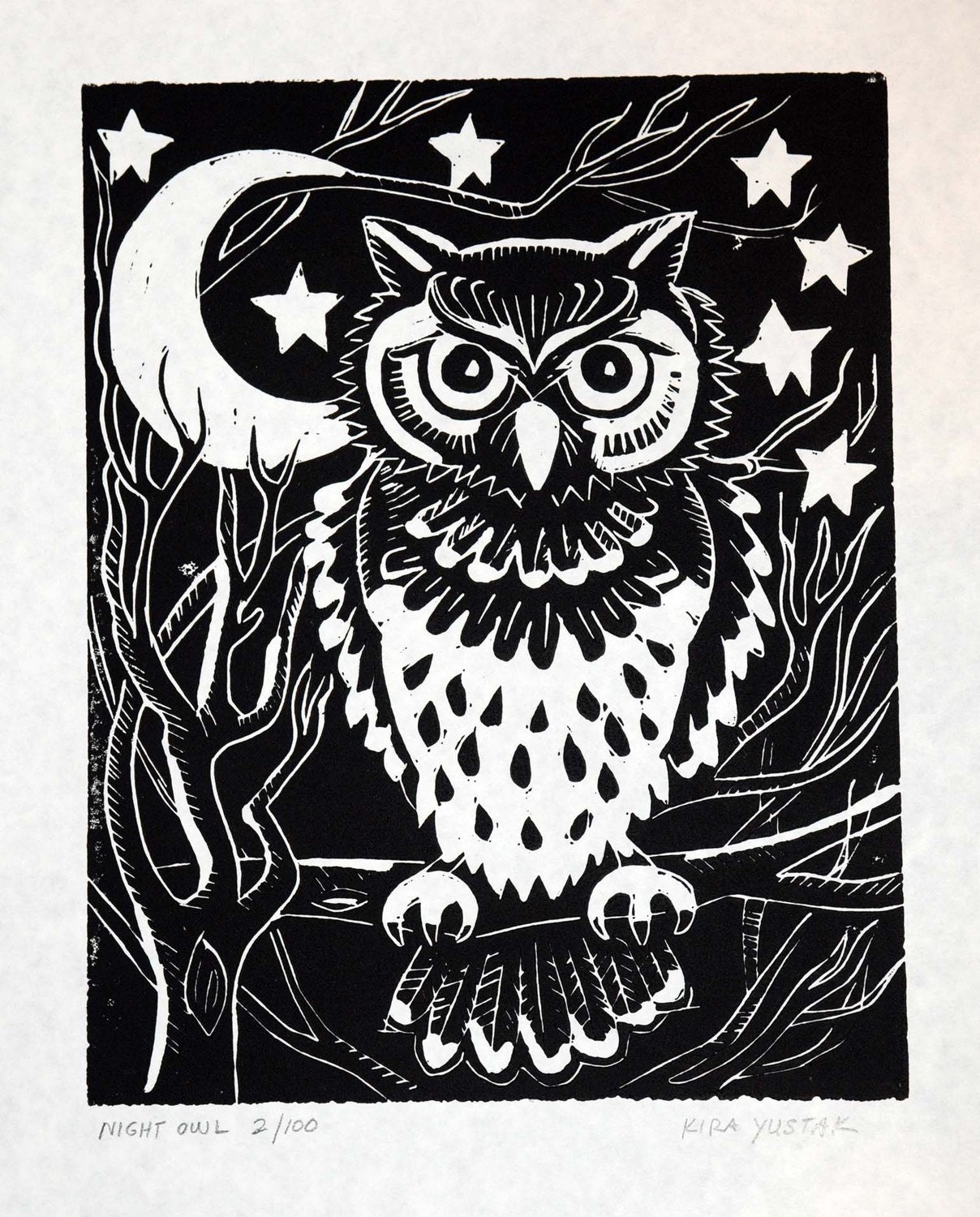
Below are more examples of block prints. What do you notice about the process of the artist? Which ones are more/less successful and why?




Tuesday, September 22, 2015
Art Two - 2D/3D
Which process do you prefer and why? Do you enjoy making drawings/paintings/collages (2D) or sculpture/ceramics (3D)?
Art One - Linoleum Cutting Video
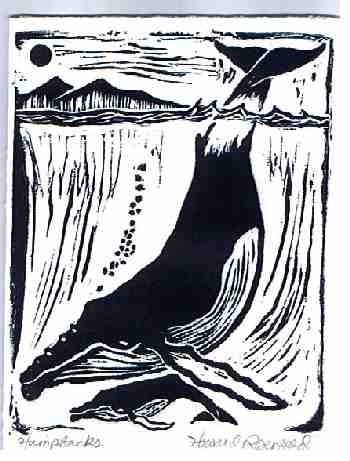
Watch the following video for tips on cutting your linoleum block.
http://www.youtube.com/watch?v=I5QuEq8pKnQ
Ceramics - Free Form Coil Construction
1. What do you think of coil construction?
2. What are the challenges/benefits?
3. What do you think of the free form process?
4. Comment only as yourself. Do not use my name to comment. Otherwise, I will have you blocked.
2. What are the challenges/benefits?
3. What do you think of the free form process?
4. Comment only as yourself. Do not use my name to comment. Otherwise, I will have you blocked.
Monday, September 21, 2015
Art One - Photoshop Mandala - Due Tuesday

Create a RADIALLY SYMMETRICAL Photoshop mandala.
1. Open Photoshop. Go to "file", then "new" to set it up. Make a Photoshop document that is 4"x4" with a 150 dpi resolution.
2. Go ahead and open up 2-3 layers. Don't paste it on the background.
3. Use a section of one of your previous works or one of your action shots found online for one of the layers. Use any other photograph for the other layer. Feel free to add more layers if you want.
4. Erase, adjust the transparency, contrast, etc. to create the most dynamic image you can. Don't forget that you can add filters to your layers as well. Adjust the brightness/contrast for maximum impact.
5. Right click on one of the layers to flatten them. Once you flatten and save you can NOT step backwards to retrieve your layers.
6. Apply a filter again to the flattened image if you wish.
7. Save this file.
8. Open up a new file that is 8"x8" with a 300 dpi resolution.
7. Create four layers.
8. Paste your 4"x4" piece on each layer. Use the second tool down (the broken line selection one) to select the whole thing then either go to "Edit" and copy then paste (or Ctl+C to copy and Ctl+V is paste).
9. Use "Control T" to move and flip to line up all of the edges so that you have a radially symmetrical design. You can also right click after Ctl+T to flip horizontally/vertically.
10. If it is all lined up, you can flatten this image. Then you can adjust the contrast/brightness, use any of the adjustments or filters to make the most dynamic and interesting image you can.
11. You can be finished here or you can repeat the process for more detail. Keep the finished size at 8"x8".
3. Use a section of one of your previous works or one of your action shots found online for one of the layers. Use any other photograph for the other layer. Feel free to add more layers if you want.
4. Erase, adjust the transparency, contrast, etc. to create the most dynamic image you can. Don't forget that you can add filters to your layers as well. Adjust the brightness/contrast for maximum impact.
5. Right click on one of the layers to flatten them. Once you flatten and save you can NOT step backwards to retrieve your layers.
6. Apply a filter again to the flattened image if you wish.
7. Save this file.
8. Open up a new file that is 8"x8" with a 300 dpi resolution.
7. Create four layers.
8. Paste your 4"x4" piece on each layer. Use the second tool down (the broken line selection one) to select the whole thing then either go to "Edit" and copy then paste (or Ctl+C to copy and Ctl+V is paste).
9. Use "Control T" to move and flip to line up all of the edges so that you have a radially symmetrical design. You can also right click after Ctl+T to flip horizontally/vertically.
10. If it is all lined up, you can flatten this image. Then you can adjust the contrast/brightness, use any of the adjustments or filters to make the most dynamic and interesting image you can.
11. You can be finished here or you can repeat the process for more detail. Keep the finished size at 8"x8".
11. Print and turn in.
The above mandala is a sample.
The above mandala is a sample.
Tuesday, September 15, 2015
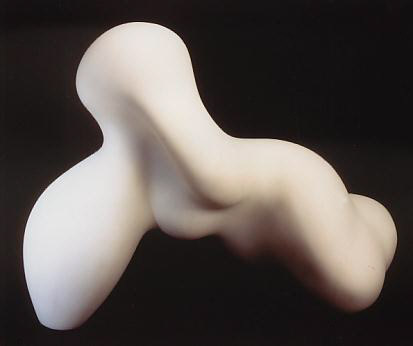
Ceramics - Jean Arp - Free Form Sculpture
- Jean (Hans) Arp
- Born: September 16, 1886, Strasbourg, France
- Died: June 7, 1966, Basel, Switzerland
- Below are examples of his work. What do you think? How is it similar to your free form clay work?


All ART students - see below
There have been a few of you (you know who you are) who have either emailed me, dropped by or messaged me about blog comments that have not posted correctly. Apparently, there is a breakdown in the process. If you have indeed completed the posts that you have said, go back, comment again and MAKE SURE your comment posts. Then, email me to let me know you have commented. Put the blog title and date in the memo part of your email to me. My email address is nancy.butler@fpdmacon.org. I will only give credit if you comment and then email me. These late comments for the first three blogs will not be taken past Monday. After that, absolutely no late posts will be accepted. Make sure your post shows up.
Subscribe to:
Posts (Atom)